By Theresa Shoptaw
Few steps in
buying a home feel as unfamiliar as the inspection, especially the first time around. Home inspection for first time buyers doesn't have to feel like a mystery once you understand what's actually being checked, what happens on the day itself, and how the results factor into your decision to move forward.
Key Takeaways
- A home inspection covers major systems, not cosmetic details.
- Inspection day typically takes a few hours, and attending is worth your time.
- Your results and your contract's contingency period work together.
- Local soil conditions in this area are exactly the kind of thing a good inspector accounts for.
What a Home Inspection Actually Covers
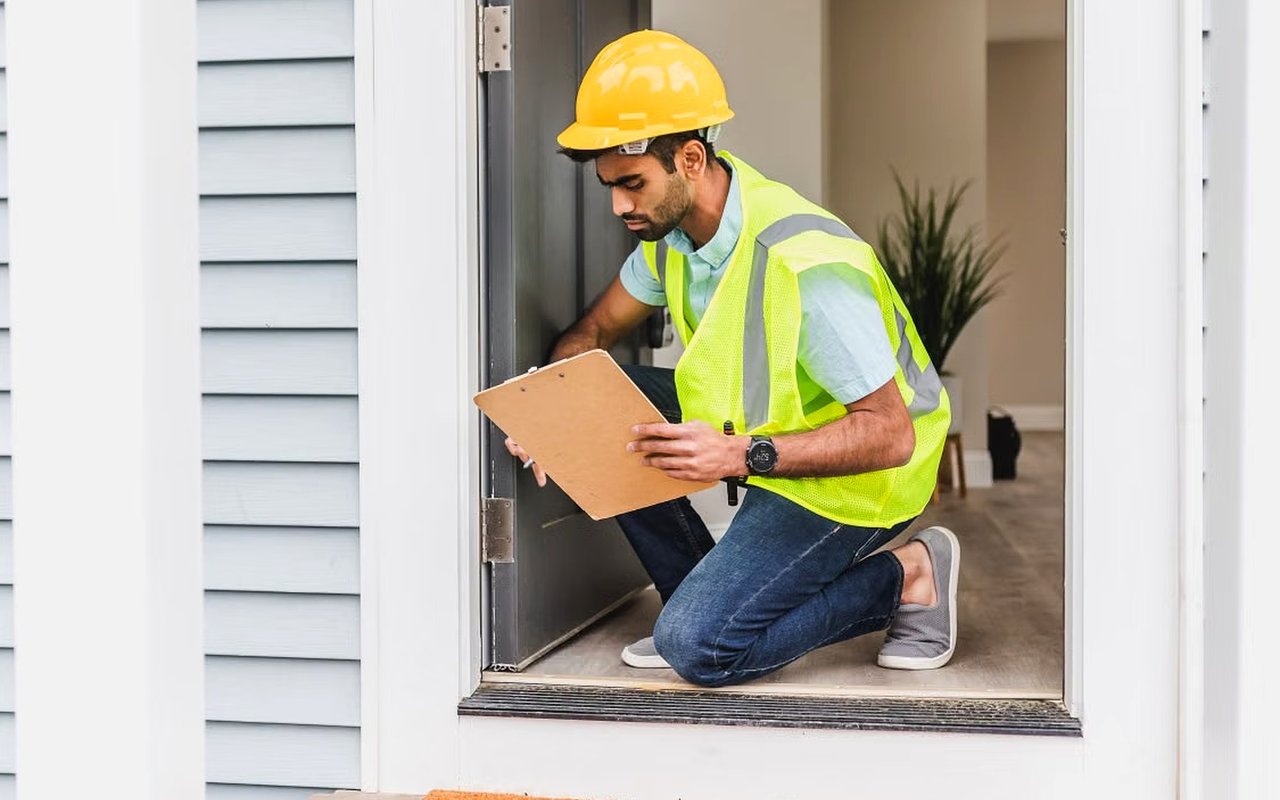
A home inspection looks at the major systems and structural elements of a property, generally including the foundation, roof, HVAC, plumbing, and electrical systems, along with a general check for pest or moisture concerns. It's a visual, non-invasive review, meaning an inspector won't open up walls or move furniture, but they will document anything that looks off and explain what they're seeing as they go.
It helps to know upfront that this isn't a pass-or-fail evaluation. No house is perfect, and the goal is simply to give you a clear, honest picture of the home's condition so you can make an informed decision.
What Gets Reviewed
- Foundation, roof, and major structural components.
- HVAC, plumbing, and electrical systems.
- General signs of pest activity or moisture issues.
What Happens on Inspection Day
Inspection day usually takes somewhere between two and four hours, depending on the size and condition of the home. Attending in person is worth doing if your schedule allows it. Walking through alongside the inspector gives you a much better feel for the property than reading the report alone, and it's a good opportunity to ask questions in real time about anything that comes up.
After the walkthrough, you'll typically receive a full written report within a day or two, covering everything discussed on-site along with photos and details you can reference later.
Making the Most of Inspection Day
- Plan for a few hours, and try to attend if you're able.
- Ask questions directly as issues come up during the walkthrough.
- Expect a detailed written report shortly afterward.
Understanding Your Results and Options
Once you have the report in hand, it helps to sort findings by how serious they actually are rather than reacting to the length of the list. Most reports include a mix of minor notes and a smaller number of more significant items worth addressing.
If something significant does turn up, your contract's inspection contingency gives you real options: you can ask the seller to make repairs, renegotiate the price, or in some cases walk away from the deal entirely. That contingency period exists specifically so you have room to make a clear-headed decision before you're locked into closing.
Your Options After the Report
- Request repairs or a price adjustment based on significant findings.
- Use your contingency period to negotiate before committing further.
- Focus on major issues rather than expecting a flawless report.
Why Local Soil Conditions Matter Here
There's a detail specific to this part of Maryland that makes a thorough foundation check especially worthwhile. The soil throughout much of Southern Maryland, including Charles County, contains a formation known as Marlboro Clay. It's exactly the kind of local condition an experienced inspector knows to look for when evaluating a foundation and drainage, which is one more reason having someone qualified to handle this step really pays off here.
Knowing this ahead of time isn't a red flag. It's simply part of what a good inspection is built to catch.
Why This Is Worth Knowing
- Southern Maryland's soil composition is a known factor local inspectors account for.
- A thorough foundation and drainage review is especially valuable here.
- This is a normal part of due diligence, not a cause for concern.
Frequently Asked Questions About Home Inspections
How long does the inspection process take from start to finish?
The walkthrough itself usually takes two to four hours, with a full written report typically following within a day or two.
What happens if the inspection finds a major issue?
Your contingency period gives you the ability to negotiate repairs, adjust the price, or walk away, depending on how serious the issue is and what your contract allows.
Should I skip the inspection if the home looks move-in ready?
It's generally not worth skipping. Inspections often catch issues that aren't visible on a casual walkthrough, which is exactly why they're worth the time and cost.
Ready to Take the Next Step With Confidence?
Understanding what's ahead makes the inspection process feel a lot less intimidating and a lot more like just another manageable step toward closing. A little preparation now goes a long way toward a smoother path forward.
If you're getting ready to buy your first home and want a clearer sense of what to expect, I'm happy to walk you through it.
Reach out me, Theresa Shoptaw, to begin searching for homes in Waldorf, MD.