With a bit of intention, a primary bedroom can transform from an afterthought to become the space a homeowner genuinely looks forward to at the end of a long day. I make sure every client understands how small design choices add up to something that actually feels restful.
This guide walks through primary bedroom design ideas that work well whether you are settling into a new build or updating an existing home.
Key Takeaways
- Layout: Furniture placement should support easy movement rather than crowding the space.
- Lighting: Layered lighting options create flexibility throughout the day and evening.
- Color: Calming color palettes contribute significantly to how restful a room feels.
- Storage: Thoughtful closet and storage solutions reduce visual clutter considerably.
Starting With Layout and Furniture Placement
Before choosing paint colors or bedding, the physical layout of a primary bedroom determines how the entire room functions day to day. Homes throughout Waldorf and the surrounding area vary significantly in room dimensions, so I always start here with clients.
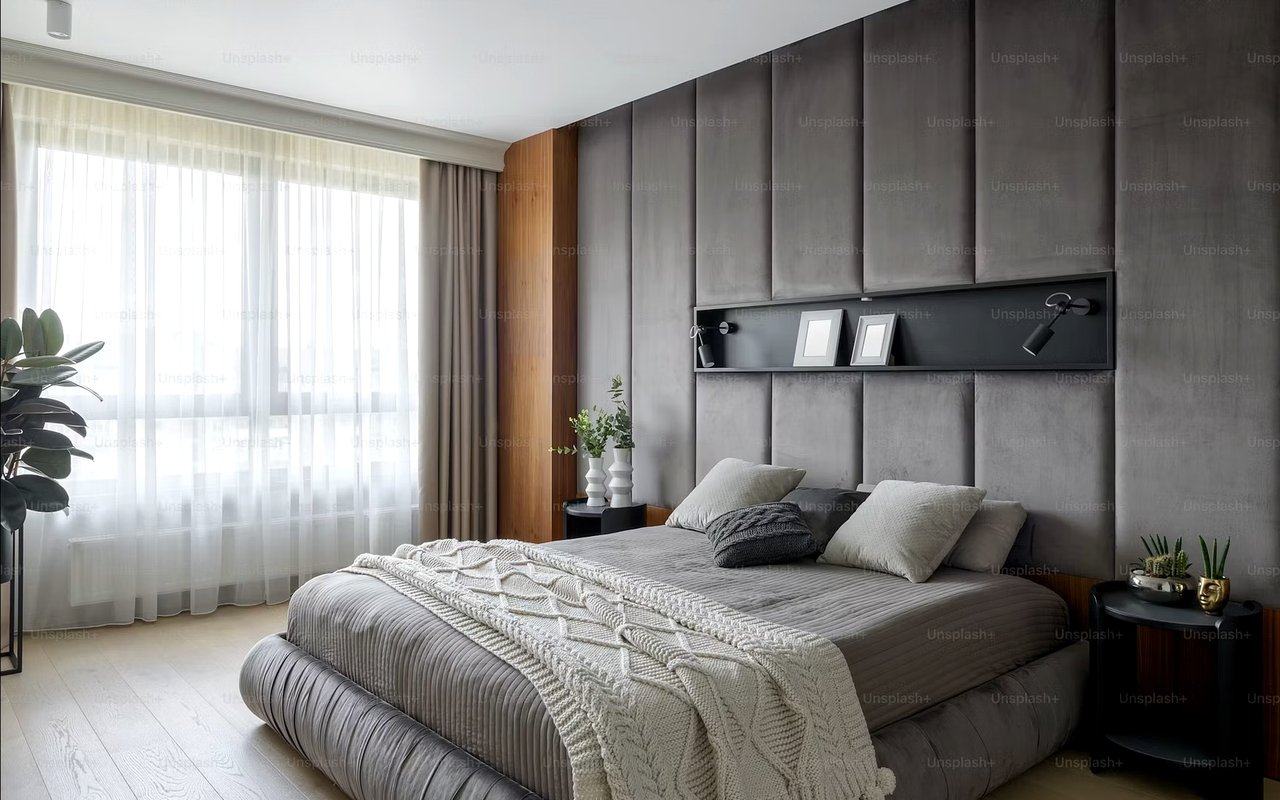
- Bed Positioning: Centering the bed against the longest wall usually creates the most balanced layout.
- Walking Paths: Keeping clear paths around furniture prevents a cramped feeling.
- Nightstand Symmetry: Matching nightstands on either side of the bed creates visual balance.
- Seating Areas: A small chair or bench adds function without overwhelming smaller rooms.
Getting this foundation right makes every other design decision easier to build on top of. I encourage clients to measure their space carefully before purchasing any new furniture pieces.
Choosing Colors That Support Rest
Color has an outsized effect on how a bedroom feels, and the right palette can turn even a smaller room into a genuine retreat. I often recommend softer, muted tones over bold or saturated colors for this particular room in the home.
- Soft Neutrals: Warm grays and creams create a calm backdrop that suits most furniture styles.
- Muted Blues: Gentle blue tones are widely associated with relaxation and rest.
- Earthy Greens: Sage and similar green shades bring a grounded, natural feel to the space.
- Accent Walls: A single deeper-toned wall behind the bed adds interest without overwhelming the room.
These color choices work particularly well in the newer builds common throughout Waldorf, where many primary bedrooms already include generous natural light.
Layering Lighting for Flexibility
A single overhead fixture rarely provides enough flexibility for how a primary bedroom actually gets used throughout the day. Layering different light sources allows the room to shift from bright and functional to soft and relaxed depending on the time of day.
- Overhead Fixtures: Provide general illumination for cleaning and daily tasks.
- Bedside Lamps: Offer softer, targeted light for reading before sleep.
- Dimmer Switches: Allow overhead lighting to shift from bright to ambient with ease.
- Natural Light: Window treatments should balance privacy with allowing daylight in during the morning.
This kind of layered approach gives homeowners far more control over how the room feels at different points in the day.
Solving for Storage Without Sacrificing Style
Clutter undermines even the best-designed bedroom, so addressing storage early prevents the space from feeling chaotic despite good furniture and color choices. Closet space varies considerably between older homes in this region and newer construction.
- Closet Organization Systems: Custom shelving maximizes existing closet space significantly.
- Under-Bed Storage: Bins or drawers beneath the bed use otherwise wasted space.
- Dresser Placement: Positioning a dresser away from direct sightlines from the bed reduces visual clutter.
- Nightstand Drawers: Choosing nightstands with drawers rather than open shelves keeps small items out of sight.
Solving storage challenges early in the design process prevents a beautifully decorated room from feeling cluttered within a few months.
FAQs
What is the best color for a calming primary bedroom?
Soft neutrals, muted blues, and earthy greens all tend to support a restful atmosphere better than bold or highly saturated colors. The right choice ultimately depends on personal preference and how much natural light the room receives.
How much should I spend on updating a primary bedroom?
Costs vary widely depending on whether updates involve simple changes like paint and lighting or larger renovations like closet systems. Starting with lighting and color often delivers a noticeable difference without a large investment.
Do smaller primary bedrooms limit design options significantly?
Smaller rooms benefit from thoughtful furniture placement and multi-functional pieces rather than avoiding design altogether. Storage solutions and a calming color palette can make even a compact room feel like a genuine retreat.
Contact Theresa Shoptaw Today
A primary bedroom deserves to feel like an actual retreat rather than just another room to walk through, and small, thoughtful changes make a real difference whether you are in a newer build in Waldorf or an established home elsewhere in Southern Maryland.
I know the housing stock throughout this region well, from newer construction to older homes with real character. Reach out to me, Theresa Shoptaw, and I'll help you find or create the retreat you are looking for.