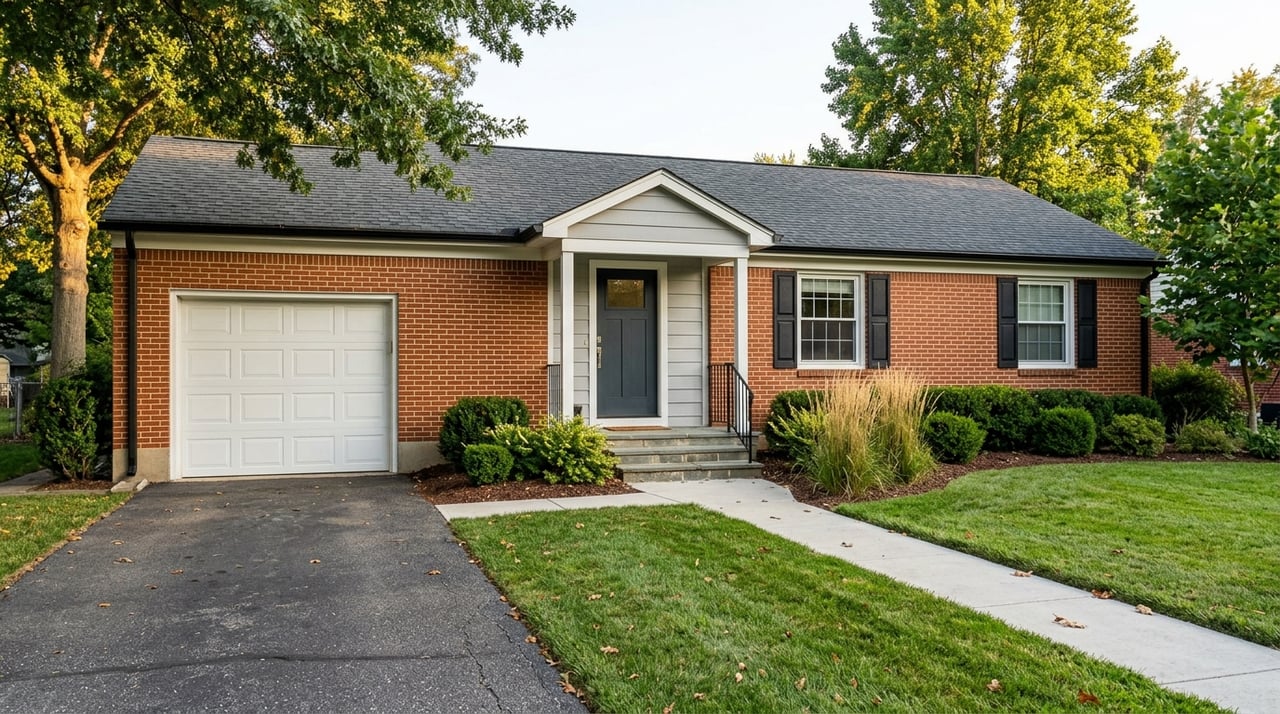
Investing In Rental Homes Around Mechanicsville MD
July 16, 2026
July 16, 2026
If you are thinking about investing in rental homes around Mechanicsville, MD, the first question is not just what can I buy, but what kind of rental actually fits this market. In a small area with limited inventory, detached homes, and a wide spread between occupied rents and current asking rents, the numbers can look very different depending on where you start. This guide will help you understand the local housing mix, rent benchmarks, demand drivers, and key cost factors so you can evaluate opportunities with more confidence. Let’s dive in.
Mechanicsville is a small market, and that matters for investors. Maryland Planning’s 2020 to 2024 ACS profile shows 1,395 residents and 557 housing units, with 75.0% owner-occupied housing and 25.0% renter-occupied housing.
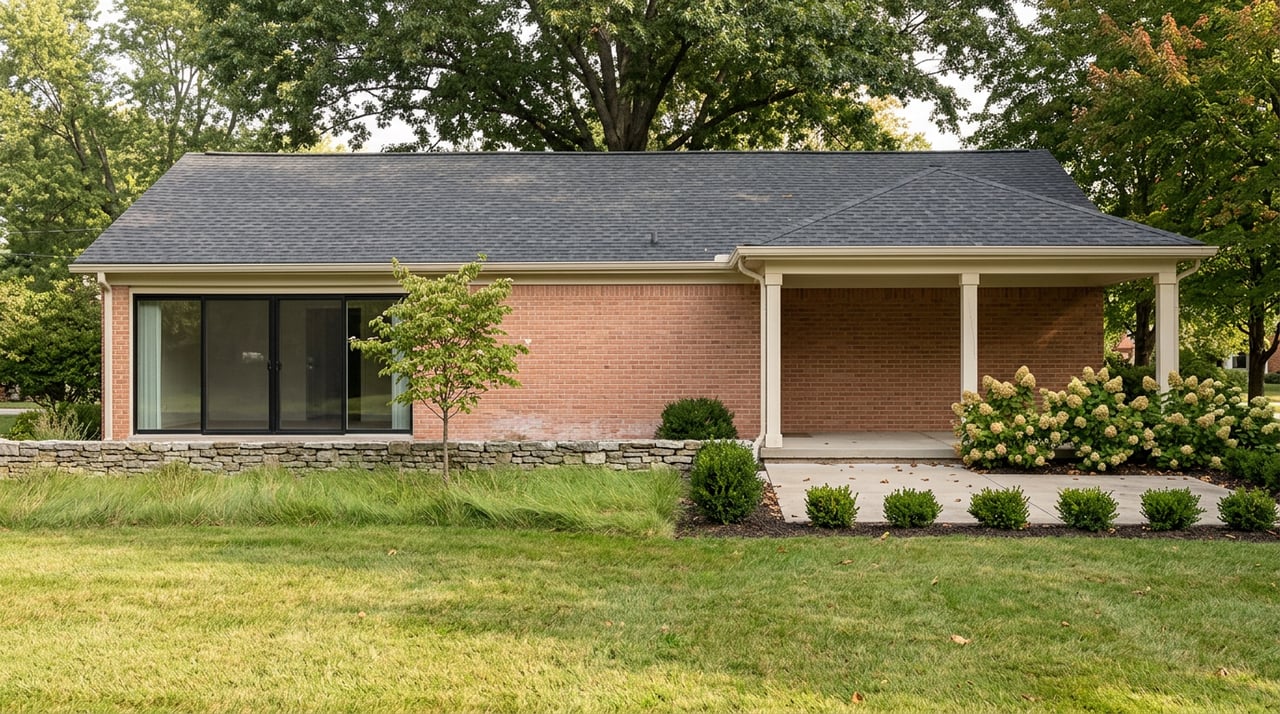
That housing stock leans heavily toward detached homes. About 75.6% of homes are 1-unit detached, and 17.1% are mobile homes, which tells you right away this is not an apartment-driven rental market.
The bedroom mix also stands out. Roughly 41.1% of homes have 3 bedrooms, 30.7% have 4 bedrooms, and 8.4% have 5 or more bedrooms, which supports a buy box centered on larger single-family homes rather than small units.
If you want to match your investment strategy to local housing stock, Mechanicsville points you toward single-family rentals. The data suggest that 3- and 4-bedroom homes are the most natural fit because that is where much of the existing inventory already sits.
This does not mean every detached home will perform well. It does mean your search should likely focus on properties that line up with what renters can realistically find and use in the area.
At the county level, St. Mary’s County shows a similar pattern. The 2024 ACS 1-year profile reports 72.3% 1-unit detached housing, which reinforces the idea that detached homes are a core part of the broader local market.
One of the biggest mistakes investors make in small markets is relying on a single rent number. Around Mechanicsville, public data show a meaningful spread between occupied rents, benchmark rents, and active asking rents.
A more practical approach is to compare several rent references before you underwrite a property. That helps you avoid overestimating cash flow or using a rent figure that only reflects a narrow slice of listings.
These figures serve different purposes. The ACS number is useful as a stabilized occupied-rent baseline, HUD fair market rent works as a conservative market-facing benchmark, and current asking rent gives you a snapshot of what active tenants may be seeing right now.
Using Mechanicsville’s ACS median home value of $416,100 as a rough reference point, those rent levels can imply very different gross-yield screens. Based on the research report, the yield range works out to about 4.4% using the ACS rent figure, about 5.3% using HUD’s benchmark, and about 7.4% using the current asking-rent figure.
That range is exactly why conservative underwriting matters here. If you only model best-case asking rents, a deal may look stronger on paper than it performs after lease-up, turnover, repairs, and ongoing holding costs.
A more balanced strategy is to test at least two scenarios:
Mechanicsville appears to be a thinly traded market, which can make pricing and comp selection harder. Redfin reported a median sale price of $509,295 for the three months ending May 2026, while Realtor.com’s 20659 data showed a median listing price of $479,900 and a median sold price of $449,900.
Those figures are not necessarily in conflict. They may reflect different geographies, time periods, and methodologies, but they do highlight an important point for investors: in a small market, you may need to widen your comp search beyond one street or one subdivision.
That same Realtor.com snapshot also showed 86 homes for sale and only 6 homes for rent in ZIP code 20659 as of May 2026. Limited rental inventory can be helpful for landlords, but it also means every comp and rent estimate deserves a closer look.
A rental market works best when there is a steady reason for people to live nearby. In St. Mary’s County, demand is supported by a defense-heavy and services-heavy employment base.
The county’s economic-development office lists Naval Air Station Patuxent River as the county’s largest employer. It also names MedStar St. Mary’s Hospital and St. Mary’s College of Maryland among the top public employers.
The Pax River base is home to NAVAIR Headquarters and NAWCAD, and Maryland Commerce describes the broader Southern Maryland region as having strong aerospace and military-tech activity, with more than 200 technology companies and support organizations in St. Mary’s County. For investors, that points to a local economy with multiple employment anchors rather than a single source of demand.
If you plan to buy more than one property, diversification inside the county may be worth considering. The research supports the idea that a Mechanicsville rental can be part of a broader strategy, especially when paired with a home closer to major employment centers in St. Mary’s County.
That can help reduce dependence on one tenant profile or one pocket of the market. It is not about chasing volume. It is about building a portfolio that is better positioned for different renter needs and market shifts.
Higher incomes in the area do not automatically mean every rental will pencil out. In Mechanicsville, 37.8% of rent-paying households spend 35% or more of their income on rent.
Countywide, 31.6% of renter households paying rent spend 35% or more of household income on gross rent. That tells you affordability pressure is real, even in a relatively high-income county.
For an investor, this means rent growth should never be assumed. You will want to pay close attention to your price-to-rent ratio, maintenance budget, turn costs, and vacancy assumptions before you commit to a purchase.
Before you buy a rental home in Mechanicsville, make sure your due diligence includes local code and landlord-tenant rules. These details can directly affect your budget, your timeline, and your long-term operating plan.
St. Mary’s County has its own Minimum Livability Code for residential structures used for human habitation. The code sets minimum standards for light, ventilation, heating, sanitation, and fire safety, and it is enforced by the Director of Permits and Inspections.
Owner-occupied single-family homes are exempt, but investment properties are not. For landlords, that means habitability and maintenance are not just best practices. They are local compliance issues.
Maryland’s Attorney General states that security deposits paid on or after October 1, 2024 are capped at one month’s rent. Deposits must be held in escrow and generally must be returned within 45 days after the lease ends, with an itemized statement if any amount is withheld.
For a small portfolio investor, those rules are important operational details. They should be built into your leasing process from day one.
St. Mary’s County’s FY2026 real property tax rate is $0.8478 per $100 of assessed value. On detached homes with higher values, that becomes a meaningful line item in your hold analysis.
Property taxes are only one part of the picture. You should also confirm insurance costs, expected repairs, assessment timing, and any other property-specific charges before moving forward.
Because holding structure and depreciation strategy can affect your long-term results, it is wise to involve tax and financial professionals before closing. That step can help you set up the investment properly rather than trying to fix it later.
For many investors, the most data-backed buy box around Mechanicsville will likely center on detached 3- or 4-bedroom homes. That aligns with the local housing stock and gives you a property type that fits the area’s existing supply.
Still, the right purchase is not just about bedroom count. It should also pass a conservative rent test, show reasonable tax and maintenance exposure, and make sense as a long-term hold rather than a quick speculation play.
If you are evaluating rental homes around Mechanicsville, the market can offer opportunity, but it rewards discipline. Small-market comps, varied rent benchmarks, and detached-home operating costs all make careful underwriting essential.
Working with a local real estate professional who understands Southern Maryland can help you compare opportunities more clearly, especially if you are balancing purchase price, rental potential, and long-term portfolio goals. If you want local guidance on identifying and evaluating investment opportunities, Theresa Shoptaw can help you take the next step with a practical, market-aware approach.
Stay up to date on the latest real estate trends.
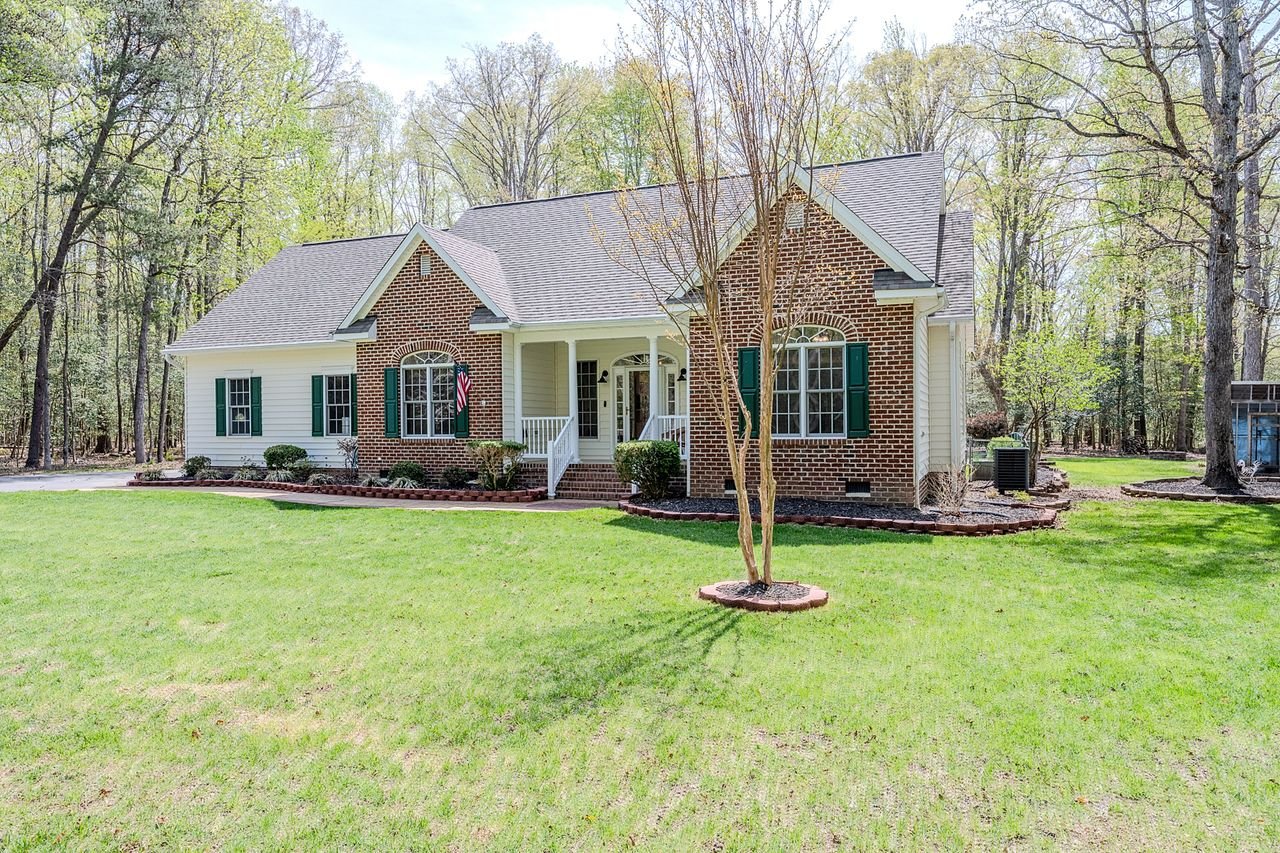
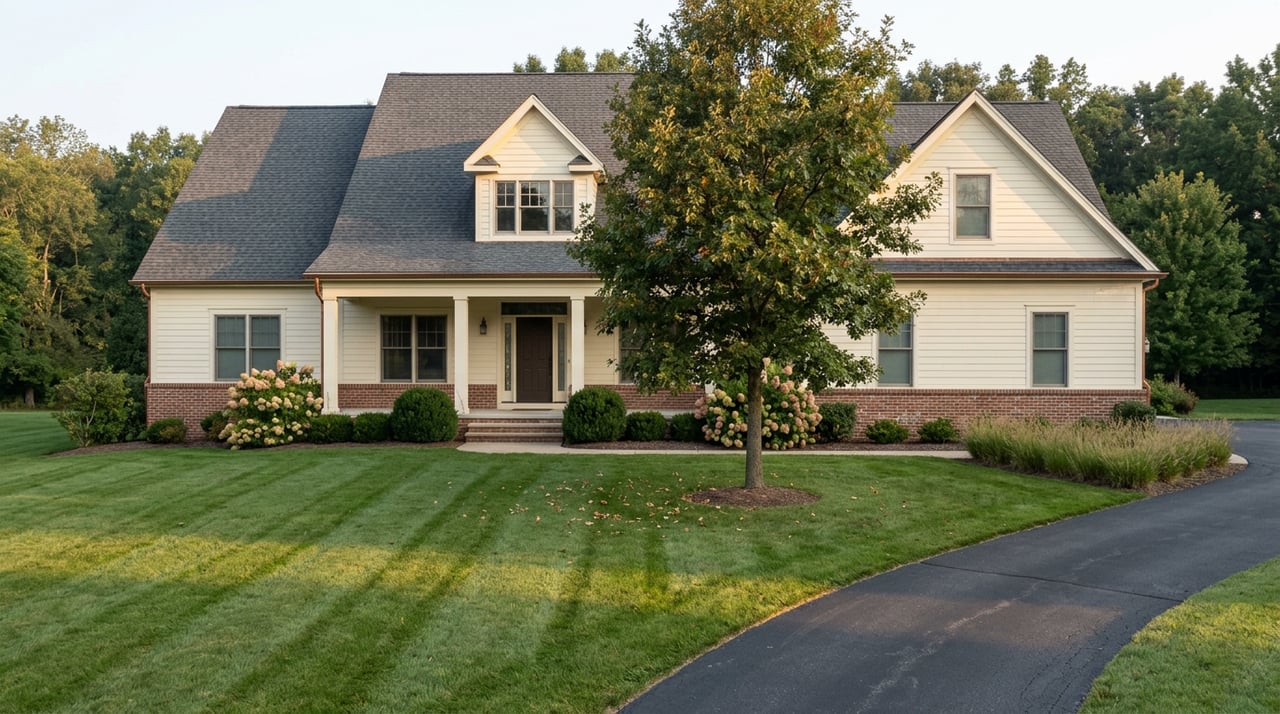
Thanks to her multi-faceted expertise, Theresa can offer her clients a comprehensive service. She is a true expert on the dynamics of the real estate market in the DMV, and she has a unique talent for educating her clients so that they can make informed decisions about their real estate investments. With her mastery of cutting-edge internet technologies, she can also market and find homes with exceptional speed and accuracy.